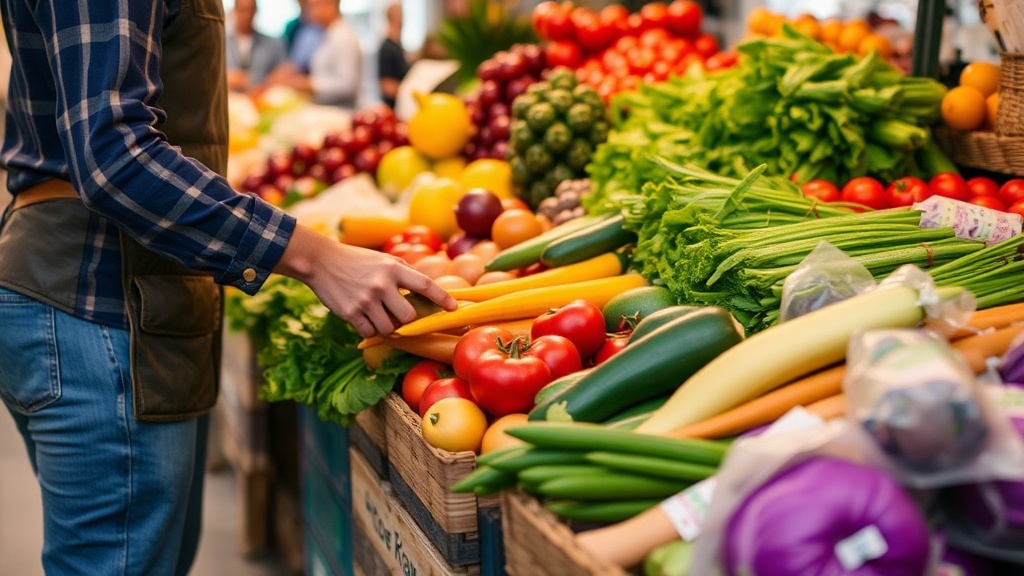
Finding the Best Seasonal Produce at Local Markets

Quick Tip
Always check the weekly market schedule to align your shopping with the peak harvest of your favorite seasonal vegetables.
Most people assume that grocery store produce is the freshest option because it's always available. That's a mistake. If you want actual flavor and nutrients, you need to shop by the calendar, not the aisle. This post explains how to time your visits to local Quebec markets to get the best seasonal yields.
When is the best time to shop for seasonal produce?
The best time to shop is early in the morning when vendors first set up their displays. Most local producers in the Montérégie region arrive at the markets at dawn to ensure their stock is fresh. If you show up an hour before closing, you might find better prices, but you'll also find a lot of bruised or leftover items.
In Quebec, the seasons dictate everything. You can't expect strawberries in January without eating something that traveled halfway around the world. It's better to follow the natural rhythm of our province.
- Spring (May-June): Focus on leafy greens, radishes, and early peas.
- Summer (July-August): This is the peak for berries, tomatoes, and stone fruits.
- Autumn (September-October): Root vegetables, squash, and apples are the stars here.
- Winter (November-April): Rely on storage crops like potatoes, onions, and apples.
Check the official agricultural guidelines for Quebec to see what is currently in season across the province. It helps to know what to look for before you even leave the house.
How do I know if produce is actually fresh?
Look for heavy weight and vibrant color to determine quality. For example, a heavy tomato usually means it's juicy and ripe, while a light one might be pithy or dehydrated. Avoid anything with soft spots or dull skins.
If you're buying greens, look for a bright, crisp texture. If the edges look wilted or dark, leave them on the stand. It's a simple rule of thumb—if it doesn't look lively, it probably isn't.
For more local insights on supporting small businesses, check out my guide on Sainte-Julie’s backyard artisans. Many of these makers also sell seasonal preserves or jams that use the very produce we're talking about.
What should I look for in local market produce?
Look for "ugly" produce that actually tastes better. Perfection is often a sign of heavy processing or chemical intervention. Real, local produce might have irregular shapes, but that's just nature doing its thing.
Keep an eye out for these specific markers:
| Product Type | What to Look For | Avoid If... |
|---|---|---|
| Root Veggies | Firmness and bright skin | It feels soft or "squishy" |
| Berries | Deep, consistent color | There is visible mold or juice leaking |
| Leafy Greens | Bright, saturated color | Edges are brown or slimy |
A quick tip: always bring your own reusable bags. Not only is it better for the environment, but it also helps you organize your haul so nothing gets crushed under the weight of a heavy squash. It makes the trip back home much easier.