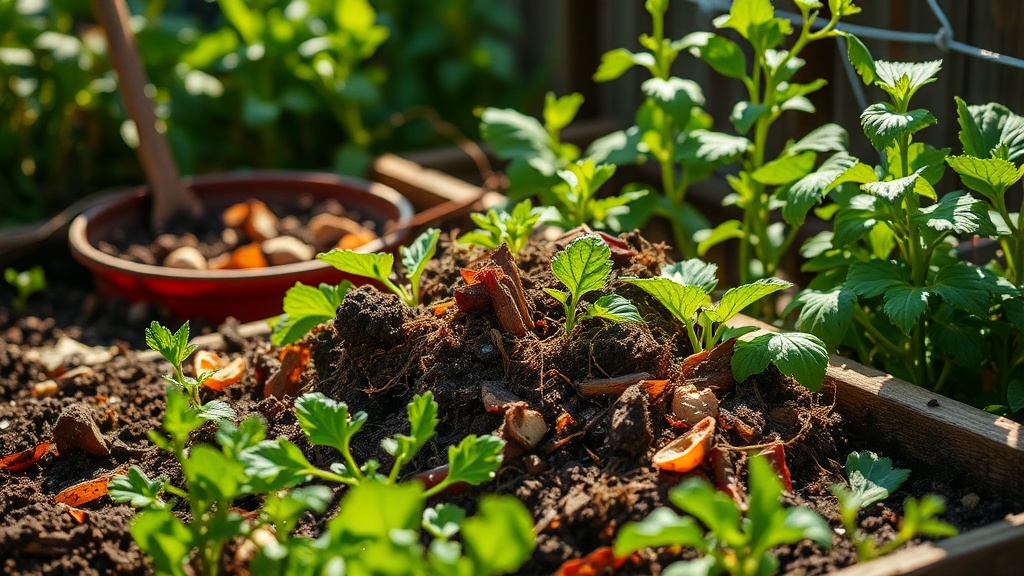
Transforming Your Kitchen Scraps into Garden Gold: A Sainte-Julie Composting Handbook

Did you know that organic materials often make up over 40% of what Quebec households send to landfills? That’s a staggering amount of valuable resources, like your banana peels and coffee grounds, simply going to waste, contributing to greenhouse gas emissions instead of nourishing our local Sainte-Julie soil. This guide cuts through the confusion around home composting, showing you exactly how to convert your kitchen and yard waste into nutrient-rich compost. We’ll cover everything from what goes in your bin to how to troubleshoot common issues, helping you create a thriving, eco-friendly garden right here in Sainte-Julie.
What materials can Sainte-Julie residents compost at home?
Getting started with composting often sparks the same first question: what exactly can I toss in the pile? It’s simpler than you might think, but there are definitely some dos and don’ts to keep your compost happy and healthy. Understanding what breaks down effectively and what doesn't is key to preventing odors, pests, and a sluggish composting process.
Generally, home composting thrives on a balance of 'greens' (nitrogen-rich) and 'browns' (carbon-rich). Think of it like a recipe – too much of one, and things get out of whack.
Your Composting Green List (Nitrogen-Rich):
- Fruit and vegetable scraps: Peels, cores, wilting greens, leftover fruit. This is your primary kitchen waste source.
- Coffee grounds and tea bags: Don’t forget to remove staples from tea bags!
- Grass clippings: These break down quickly, but add them in thin layers to avoid a matted, smelly mess.
- Plant trimmings and garden weeds: Avoid diseased plants or weeds that have gone to seed, as the compost might not get hot enough to kill them.
- Eggshells: Crush them up to help them decompose faster.
Your Composting Brown List (Carbon-Rich):
- Dried leaves: A fantastic autumn harvest for your compost.
- Shredded newspaper and cardboard: Tear them into small pieces. Avoid glossy or heavily printed paper.
- Straw and hay: Great for adding bulk and aeration.
- Wood chips and sawdust: Use these sparingly, as they decompose very slowly.
- Twigs and small branches: Again, chop them up into smaller bits for faster breakdown.
What to Absolutely Avoid in Your Compost:
Steering clear of these items is paramount for a successful, odor-free compost pile:
- Meat, bones, and fish scraps: These attract pests like rodents and raccoons, and can create unpleasant odors.
- Dairy products: Milk, cheese, and yogurt will also attract pests and create bad smells.
- Oils and grease: They can repel water, slow decomposition, and attract animals.
- Pet waste: Contains pathogens that can contaminate your compost and, subsequently, your garden.
- Diseased plants: Don’t spread plant diseases to your healthy soil.
- Chemically treated wood or sawdust: These can introduce harmful substances into your compost.
- Synthetic materials: Plastics, metals, glass – they just won’t break down.
For more detailed information on organic materials and waste management in Quebec, you can always check